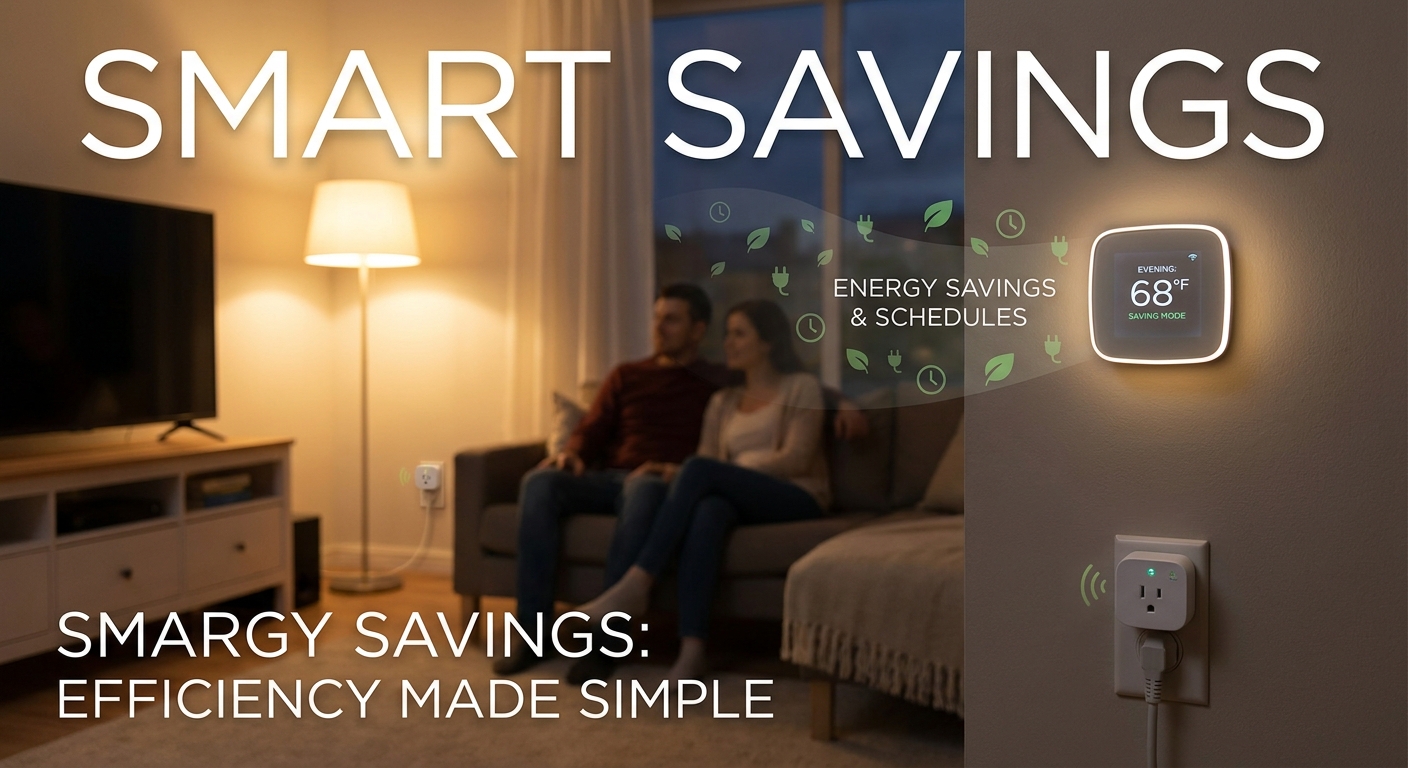
You are not imagining it. Utility bills really can climb even when you feel like you are barely home. That is what makes it so annoying. The heat or AC kicks on when nobody is there, the TV setup keeps sipping power all night, and that spare room fan or coffee maker sits idle but still plugged in like it pays rent. If you have been putting off smart home gear because it sounded expensive or fussy, today is one of those rare moments when it actually makes sense to start. The best smart thermostat and smart plug deals today focus on the two upgrades that usually make the biggest difference first. A thermostat that learns your routine or lets you set a real schedule, and smart plugs that shut off the little energy vampires you always forget. This is not about turning your house into a spaceship. It is about lowering the bill and stopping the monthly surprise.
⚡ In a Hurry? Key Takeaways
- The best place to start is a smart thermostat for heating and cooling, plus smart plugs for always-on electronics and small appliances.
- Set one simple weekday schedule tonight: ease back heating or cooling when you leave, then bring it back 30 minutes before you return.
- Only use smart plugs with lamps, fans, TVs, chargers, and coffee stations. Do not use them with space heaters or major appliances unless the plug is rated for it.
Why these two gadgets matter more than most
Most people do not need a full smart home makeover. They need a few smart fixes in the right spots.
Heating and cooling are usually the big one. If your home is being warmed or cooled while nobody is there, that is where a smart thermostat earns its keep. It helps you stop paying for comfort when the house is empty, without asking you to remember to change the temperature every single day.
Smart plugs handle the smaller leaks. One cable box, a game console, a desk lamp, a fan, and a coffee station may not seem like much on their own. Together, they can stay on far more than necessary. Smart plugs let you set hours, timers, or simple voice control so those devices stop drawing power when they do not need to.
If you want a broader look at similar price cuts and energy-saving options, our earlier roundup, Today Only: Smart Thermostat & Energy-Saver Deals That Finally Fix Your ‘Why Is My Power Bill Wrecking My Budget Every Month?’ Problem, is worth a look too.
What to look for in the best smart thermostat and smart plug deals today
For smart thermostats
Keep it simple. The best value is not always the fanciest model. For most homes, these features matter most:
Easy scheduling. You want clear weekday and weekend settings, not menus that feel like tax software.
App control. If you forget to change the temperature before leaving town, you should be able to fix it from your phone.
Room sensors or occupancy features. Helpful if your main thermostat sits in a hallway that never matches the rest of the house.
HVAC compatibility. This is the important boring part. Check whether your system works with the thermostat before buying. Many homes also need a C-wire, though some models include workarounds.
For smart plugs
These are less complicated, but there are still a few things worth checking.
Energy monitoring. Some plugs show how much power a device actually uses. That is useful if you want proof about what is costing you money.
Compact size. Some plugs block the second outlet on the wall. Smaller ones are easier to live with.
Reliable scheduling. The whole point is set it and forget it.
Voice assistant support. Nice to have, not a must-have.
Good starter picks without getting too fancy
If you are shopping tonight, do not get stuck comparing 27 nearly identical models. Here is the plain-English version.
Best thermostat style for most people
A mainstream smart thermostat from Google Nest, ecobee, Amazon, or Honeywell Home is usually the safe move. Pick the one with the clearest app, proven compatibility, and a real discount. If your schedule changes a lot, models with geofencing or occupancy detection can be worth paying a little more for.
Best smart plug style for most people
A two-pack or four-pack from a known brand is usually the best value. Start with the TV area, office desk, coffee station, or bedroom fan. Those are the places where wasted power adds up quietly.
A simple setup plan that takes about 10 minutes
You do not need to automate your entire home tonight. Start with this.
Step 1: Set one realistic thermostat schedule
Weekdays are easy. If you leave around 8:00 a.m., have the system ease back at 8:15 a.m. Then have it return to your comfort setting about 30 minutes before you usually get home.
If you work from home sometimes, skip complicated automations at first. A basic schedule beats an overbuilt one you never trust.
Step 2: Put smart plugs on the obvious offenders
Good first targets:
- TV and entertainment accessories
- Desk lamps and printer stations
- Bedroom or office fans
- Coffee maker corner, if the appliance is plug-compatible and safe to automate
- Holiday or accent lighting
Step 3: Create one bedtime routine
Set a nightly shutoff for the non-essentials. Midnight is a good start for many homes. You can always adjust later.
Step 4: Check your results after a week
If your plug has energy monitoring, see what is actually drawing power. If not, pay attention to comfort first and bill impact second. The best system is the one your household does not fight with.
What not to plug into a smart plug
This part matters. Smart plugs are great, but they are not for everything.
Do not use a basic smart plug with space heaters, air conditioners, refrigerators, microwaves, or other high-draw appliances unless the product specifically says it is rated for that use. Heat-producing devices deserve extra caution. When in doubt, do not automate it.
Lamps, chargers, small fans, and entertainment gear are the safer, more typical use cases.
How much can this actually help?
That depends on your home, climate, and habits, but the logic is straightforward.
A smart thermostat tackles the biggest category first. Heating and cooling can be the largest chunk of a power bill, so even modest improvements matter.
Smart plugs usually save smaller amounts per device, but they are cheap to try and they fix a very common problem. Stuff that stays on because nobody remembers it exists. That is why this combo works so well. One tackles the big system. The other cleans up the little daily waste.
At a Glance: Comparison
| Feature/Aspect | Details | Verdict |
|---|---|---|
| Bill-cutting impact | Smart thermostats target heating and cooling. Smart plugs trim waste from smaller devices and forgotten electronics. | Thermostat first, plugs second. Best results come from using both. |
| Setup difficulty | Smart plugs are usually plug-and-app easy. Thermostats take more care because of wiring and HVAC compatibility. | Plugs are the easy win. Thermostats are worth the extra effort. |
| Best use case | Thermostats help people with empty-home hours and changing schedules. Smart plugs help with entertainment centers, fans, lamps, and office gear. | Ideal combo for busy households that want savings without constant micromanaging. |
Conclusion
Energy prices are not relaxing any time soon, and a lot of homes are still being run like it is 1998, with everything either fully on or fully off. That is why the best smart thermostat and smart plug deals today are worth a look. They let you test the two upgrades with the biggest real-world impact without paying full price. A good smart thermostat follows your actual routine instead of wasting energy on an empty house. Smart plugs shut down the little things you always mean to turn off later. Put those together and you are not just chasing savings. You are cutting that low-grade stress that shows up every time a utility bill hits your inbox. Start with one thermostat schedule, two or three smart plugs, and a quick 10-minute setup tonight. Small changes count, especially when they happen every single day.